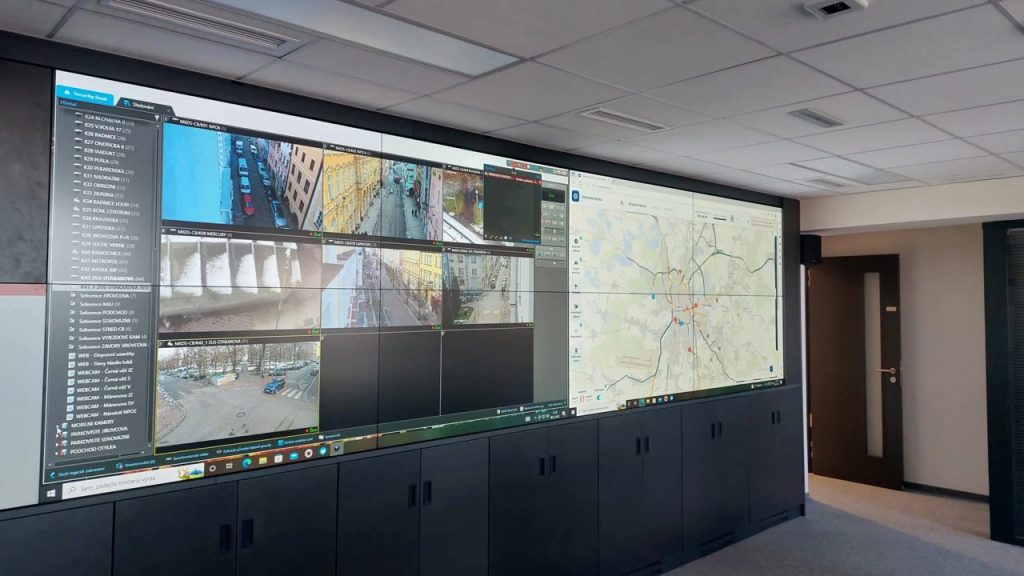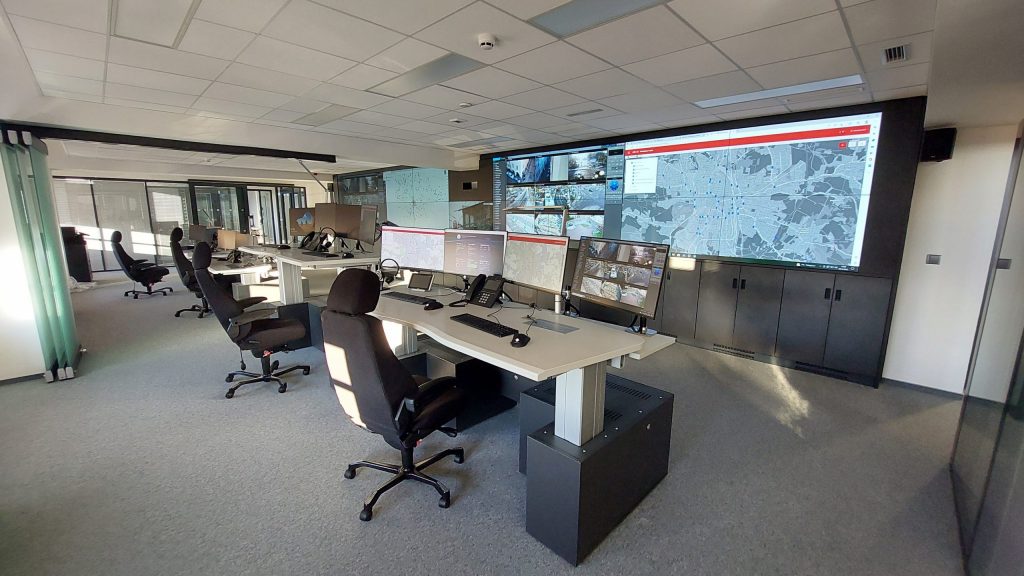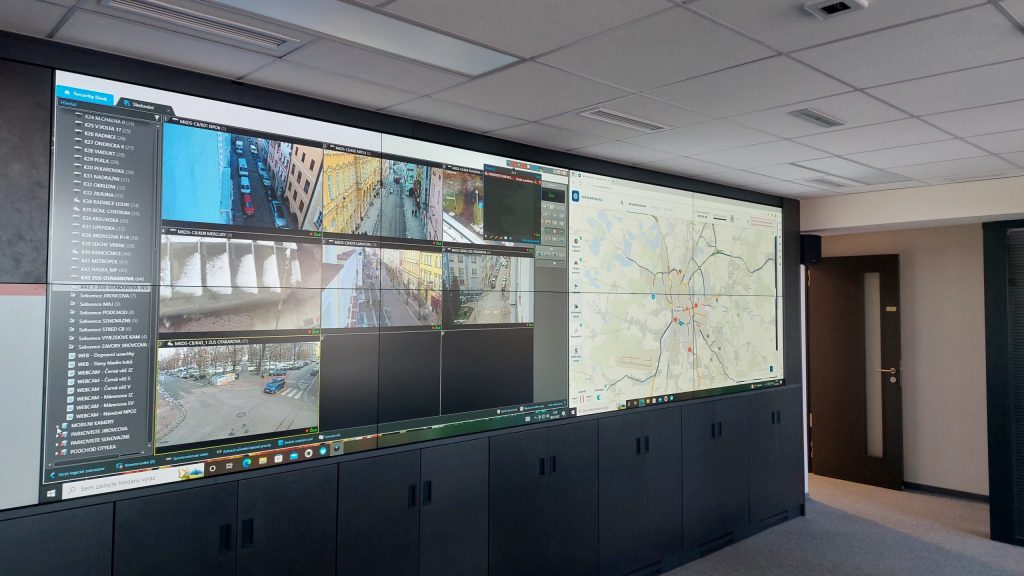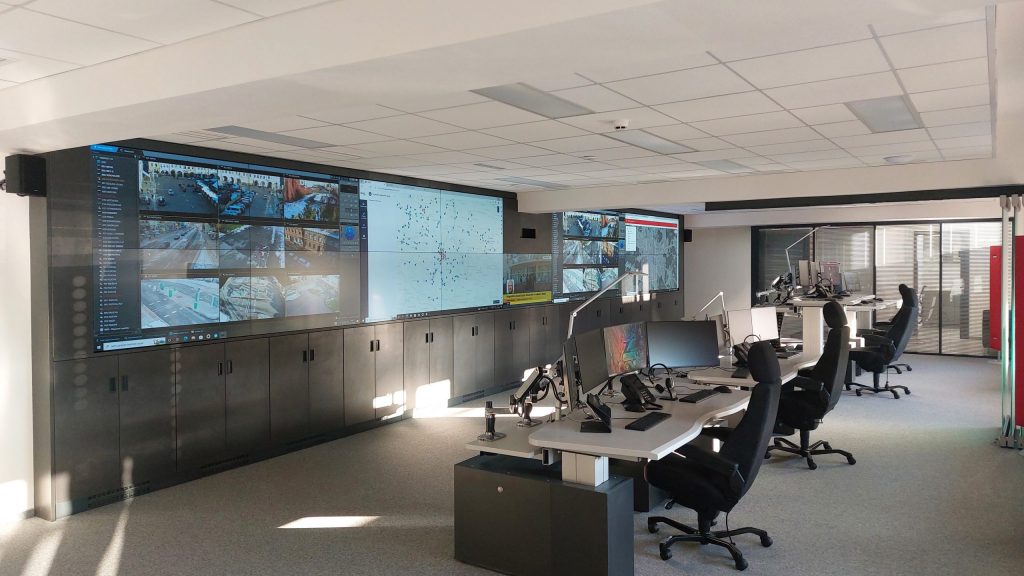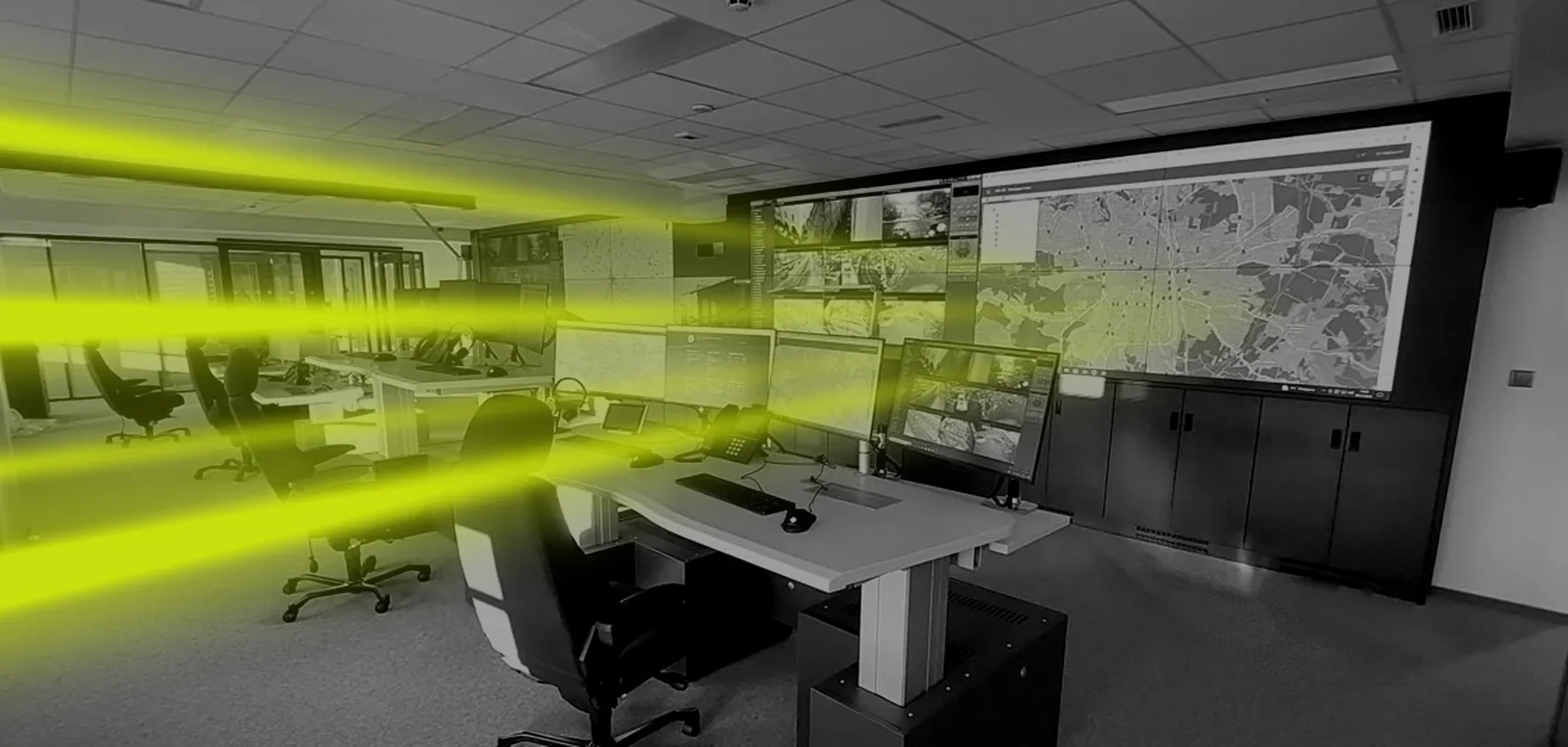

Řídicí centrum s velkoplošnou obrazovkou, mapou provozu a kamerami
SMARTiC

Your entire transport system at a glance

SMARTiC is a digital picture of the transport system and its infrastructure. It brings together everything you know about your roads, what is happening on them right now, and what happened before. Ins

We help you manage traffic and keep roads running

SMARTiC is an open platform for cities, regions and state organisations. It links information on infrastructure, current traffic and historical trends and turns it into a reliable basis for decisions. It is modular, so you start with what you need now and add more later.

For cities

Traffic signals, junctions, public transport and parking under one roof. Dispatchers see the same picture and step in before the city grinds to a halt.

  • Junction control and green waves
  • Priority for public transport and emergency services
  • One dispatch centre instead of several
For regions

A clear view of what you have on your roads, what condition it is in and where the traffic flows. You can back every investment with numbers.

  • Road and equipment records
  • Traffic statistics and analyses
  • A basis for investment planning

For state organisations

We help keep motorways and first-class roads running and organise the traffic on them. We pass data on through the National Access Point (NAP).

  • Traffic information system DIS
  • Data exchange with the National Traffic Information Centre (NDIC) and NAP
  • Support in meeting Directive (EU) 2023/2661

Sound familiar?

You have the data. It’s just in too many places.

Road records in one system, dispatch in another, statistics in spreadsheets. When something happens, you piece the situation together from phone calls and several screens. And you still have to justify every investment.

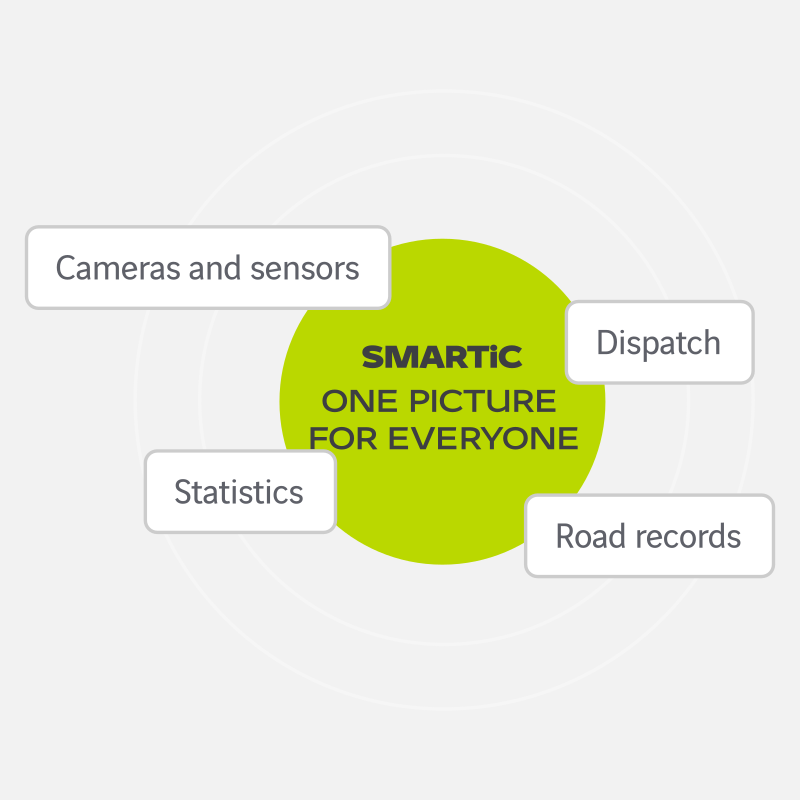
SMARTiC answers three key questions

They are the foundation of the whole platform. Only when you connect them do you get a complete basis for decisions.

What do we manage?

Roads, junctions, traffic signals and other equipment. You know what condition they are in and where to direct funding.


Asset inventory, records and equipment management

What is happening right now?

The current situation across the whole network and a forecast of how it will develop. You act in time, not only once traffic has come to a standstill.

Dispatch centres, traffic information centres, traffic signals and junctions

What happened in the past, and what does it tell us?

History, trends and the impact of measures in one place. You plan based on facts, not guesswork – even a tunnel closure.

Historical data, forecasting and planning

What you manage + whats happening + what happened = what to do next

Velkoplošná obrazovka v řídicím centru s kamerami a mapou provozu

How it works

It doesn’t just show. It also advises.

SMARTiC predicts risky traffic situations. It draws on data from more than 70,000 vehicles and from roadside sensors. It tests scenarios and proposes to the dispatcher how to adjust, for example, the signal plans at junctions. But the decision always stays with a person.

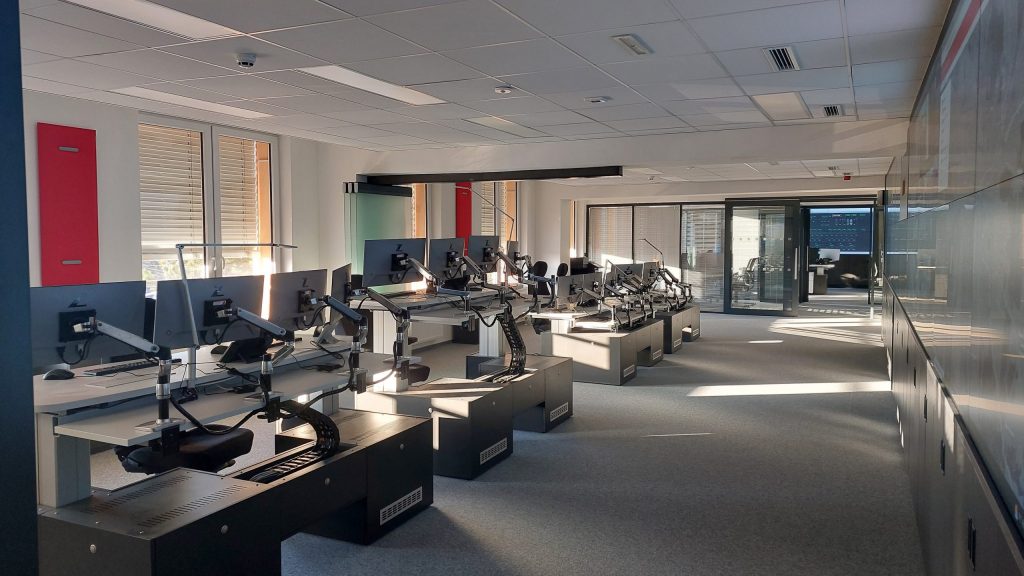
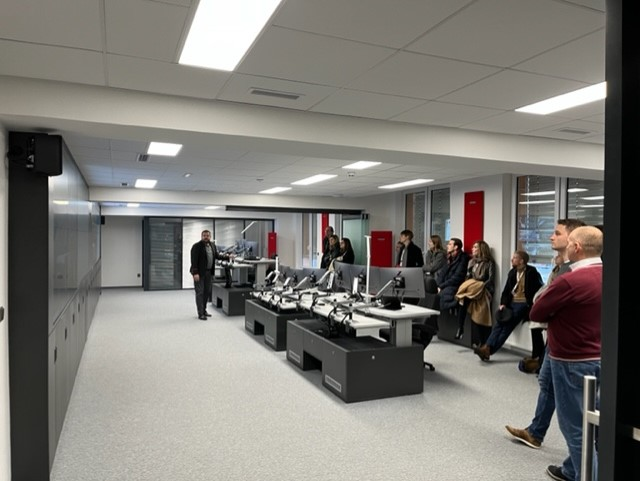
Pracoviště dispečerů před velkoplošnou obrazovkou

How it works

What you gain

  • A full overview of your road network. Cameras, sensors, road closures and a traffic map in one view.
  • Act in time. SMARTiC predicts risky situations and suggests a solution.
  • Make the most of the data you already have. Numbers that sit in spreadsheets and systems today become a basis for decisions.
  • No vendor lock-in. The platform is open, so new data sources are easy to connect.
  • Meet your legal obligations more easily. Data exchange with NDIC and the National Access Point under Directive (EU) 2023/2661.
  • Proven in live operation. SMARTiC already runs on Czech motorways and in cities.

And traffic won’t keep you stuck at work at the weekend.

In practice: line traffic control on the D1 motorway

Šmejkalka Bridge, kilometre 24 near Senohraby

When traffic density exceeds a set threshold, the system lowers the speed limit. As long as the queue keeps moving, however slowly, the section stays passable. The real problem starts the moment the first car stops.

Příklad z praxe: liniové řízení na D1

We want to use the same tool to prevent jams on roads into and out of cities at rush hour, or at least to delay them for as long as possible.

Michal Holoubek, produktový manažer VARS
From the drivers’ point of view, nothing seems to be happening, so they see a lower speed limit as harassment. But if we explain why we do it, and that following the rule actually saves them a lot of time, that can only help.
Michal Holoubek
Product Manager, VARS BRNO a.s.

Over 100 institutions already use data from SMARTiC

  • 100 +

    institutions receive data

  • 70000 +

    vehicles send data about traffic

  • 100 %

    coverage of the Czech motorway network

Where SMARTiC Drives Traffic Flow

From a national traffic centre to a city dispatch centre and motorways.

State organisation · since 2008

ŘSD – National Traffic Information Centre (NDIC), Ostrava

Challenge
ŘSD needed one central dispatch centre for its whole network: motorways, expressways and first-class roads. One place where data from detectors, emergency services and other sources comes together and turns into verified traffic information.

Solution
In 2008 we supplied all the technical equipment for the newly created NDIC and developed its control system. During the later upgrade we moved it to an open architecture: it is modular, scalable and also accepts modules from other suppliers.

Benefits
Verified information for traffic management, road maintenance and in-car dynamic navigation. The system itself controls variable message signs on motorways using predefined scenarios. Thanks to its openness, ŘSD can also put maintenance out to tender, while we remain its service partner.

  • 1,363 km of motorways monitored
  • 1,570 messages received and entered a day
  • 1,100 integrated cameras
  • 165 variable message signs
  • 10 integrated tunnels

City · 2023

DIŘC – Traffic Information and Control Centre, České Budějovice

Three dispatch centres. One room. One picture.

Challenge
The public transport company, trolleybus power supply and traffic information each had their own dispatch centre. Each saw only its own piece of the city.

Solution
A shared centre delivered turnkey: a rebuilt floor, a server room, backup power and a control system based on the SMARTiC platform.

Benefits
Up to four dispatchers per shift look at the same picture. SMARTiC predicts risky situations and proposes changes to signal plans.

  • 104 traffic signals and detectors
  • 11 integrated interfaces
  • 134 parking meters

Motorways · ŘSD · pilot operation 2022

Mobile line traffic control (MLŘD)

Challenge
Queues build up at roadworks on motorways. ŘSD needed to calm traffic ahead of the roadworks and warn drivers in time.

Solution
Six mobile sets, complete hardware and software. Sensors up to several kilometres ahead of the roadworks measure the speed, number and length of vehicles. The algorithm assesses the situation on its own and adjusts the variable signs.

Benefits
Smoother, calmer traffic through the roadworks. The system lowers the speed limit, warns of queues ahead or sends traffic onto a diversion. Used, for example, on the D11 into Prague, on the D0 and on the D5.

  • 8 proměnných značek v jedné sadě
  • 2 detekční radary
  • 4 bluetooth senzory
  • 424/strong> dní provozu v roce 2022

We speak the language of transport standards

SMARTiC exchanges data with other systems using international standards, so you are not tied to one manufacturer’s closed interface.

DATEX II

The European format for exchanging traffic data, also used to deliver data to the NAP.

ALERT-C

A common way to describe a traffic event and where it happened.

RDS-TMC

Traffic information straight to sat navs and car radios.

OCIT-C

An open link between the control centre and junction controllers from different manufacturers.

Directive (EU) 2023/2661

You may have to make some of your traffic data available. We can help.

The EU directive on intelligent transport systems sets out who must make which data available through the National Access Point (NAP). Making data available does not mean publishing it. The obligations are phased in until the end of 2028, depending on the type of data and the roads concerned. From 31 Dec 2026 they cover, for example, road and lane closures and roadworks on the whole TEN-T network, and reduced visibility and exceptional weather conditions. SMARTiC prepares the data and delivers it in the right format.

Obligations are phased in 2025–2028

Frequently asked questions

Answers to the most common questions about SMARTiC

An open, modular platform that helps cities, regions and road authorities manage traffic and keep roads running. It links information on infrastructure, current traffic and historical trends and turns it into a reliable basis for decisions.

No. You start with one module, and it works on its own. You add more when you need them.

No. SMARTiC is an open platform with standard interfaces. You can also connect modules and devices from other manufacturers.

You do. SMARTiC keeps your data separate from individual applications, so you keep long-term control over it even when those applications change.

Yes. Besides fixed detectors, it uses data from more than 70,000 vehicles that show how smoothly traffic is flowing.

Licences depend on the modules you use and the size of your network, not on the number of workstations.

Yes. We will gladly go through what you need and advise you on how to describe it in the tender documentation.

You can have the same. Let us show you how.

We are an IT company, and we have understood transport for over 30 years.

Career form

"*" indicates required fields

This field is for validation purposes and should be left unchanged.
Accepted file types: pdf, doc, docx, odt, Max. file size: 5 MB.